
Debt Consolidation in Australia – Your No-Fluff Guide to Merging Your Debts in 2026
Hands up if this sounds familiar: you’ve got a credit card balance you can’t quite knock over, a personal loan from that one purchase you’re still not sure was worth it, a Buy Now Pay Later tab that somehow multiplied into five, and maybe a car loan thrown in for good measure.
You’re not alone. You’re very, very not alone.
Australians are collectively carrying $41.96 billion in credit card debt alone — with the average cardholder paying around 18.8% interest per year. That’s a massive amount of money going nowhere.
Debt consolidation is one of the most powerful tools for getting your finances back under control. When done right, it can save you thousands in interest, slash your monthly repayments, and most importantly — give you a clear finish line.
This guide is going to walk you through everything: what debt consolidation actually is, how it works in Australia, the different ways you can do it, and the traps to avoid.
Let’s get into it.
What Is Debt Consolidation?
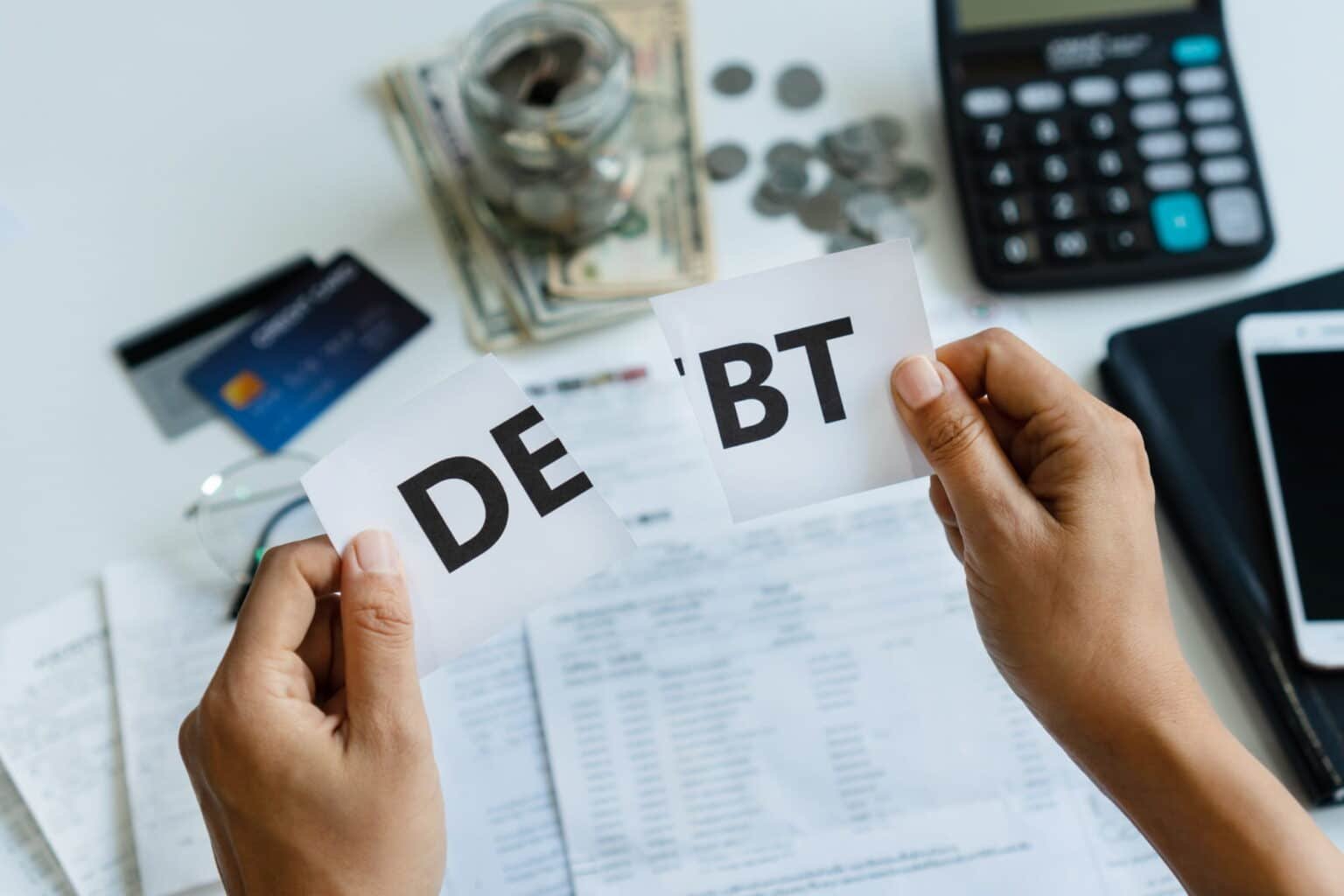
Debt consolidation simply means combining multiple debts — credit cards, personal loans, car finance, Buy Now Pay Later — into a single loan with one repayment, ideally at a lower interest rate.
Instead of juggling four different due dates, four different interest rates, four different apps, and the constant low-level anxiety of it all — you have one. One loan, one repayment, one plan.
It sounds almost too simple, right? And in some ways it is. But the power is in the execution — and the interest rate.
Debt consolidation doesn’t erase your debt. It reorganises it intelligently. The goal is to reduce the total interest you pay and simplify your repayments so you can get debt-free faster.
How Does Debt Consolidation Work in Australia?
Here’s the process in plain English:
- Take stock of all your current debts — write down each one, the balance, the interest rate, and the minimum repayment.
- Apply for a consolidation loan — this could be a personal loan, a home equity loan, a refinanced mortgage, or a balance transfer card.
- The new loan pays out all your existing debts — your creditors are paid off and those accounts are closed.
- You make one regular repayment — to your new lender, at your new (hopefully lower) rate.
- You work toward becoming debt-free — with a clear timeline and a plan that actually makes sense.
The magic is in step 2 — getting a new loan at a significantly lower rate than your existing debts. That’s where the savings are generated.
The Numbers Don't Lie: What You Could Actually Save
Let’s do some real maths, because this is where debt consolidation either makes sense or it doesn’t.
Scenario:
$10,000 across two credit cards at 19% interest
Without consolidation:
Minimum repayments would drag this out for years. If you paid $366/month, you’d clear it in 3 years but pay roughly $3,190 in interest.
With consolidation at 9%:
Same $366/month would clear it in under 3 years, paying only ~$1,470 in interest.
The saving:
~$1,720 — real money you can put toward an emergency fund, savings, or literally anything else.
And that’s a modest example. For people consolidating $30,000, $50,000, or more across multiple high-interest debts, the savings can be enormous.
In 2025, debt consolidation loan rates start from around 5.76% p.a. for strong credit profiles through Australian lenders. Compare that to the average 18–20% credit card rate and the maths becomes very compelling, very fast.
Important: Your actual savings depend on the rate you qualify for and the fees involved. Always run the full numbers before committing — or better yet, have a finance broker do it for you.
The Different Types of Debt Consolidation in Australia
Not all debt consolidation is created equal. There are four main methods used in Australia, and each suits a different situation:
1. Personal Loan
This is the most common method. You take out an unsecured personal loan to pay off your other debts. Easy to apply for, funds typically arrive quickly, and you get a fixed repayment schedule.
Rates: Roughly 6–15% p.a. depending on your credit score and the lender.
Terms: Usually 1–7 years.
Best for: People with a decent credit score who don’t own property and need to consolidate $5,000–$50,000 in unsecured debt.
2. Balance Transfer Credit Card
Roll your existing credit card debt onto a new card with a promotional 0% interest period — typically 12 to 34 months.
The upside: Zero interest during the promo period can be incredibly powerful for paying down debt fast.
The catch: Once the promotional period ends, the rate can revert to 20%+. You need to have the debt cleared or a plan in place before that happens.
Best for: People with a clear plan to clear the debt within the 0% window and the discipline to not add more spending to the card.
3. Home Equity Loan or Mortgage Refinance
If you own property, you may be able to consolidate your debts into your home loan — borrowing against your equity at your mortgage rate (which is typically far lower than personal loans or credit cards).
The upside: Potentially very low rates — sometimes under 6% — and the flexibility of your existing home loan structure.
The catch: Your home secures the debt. If things go badly wrong, your property is at risk. Also, rolling short-term debts into a long-term mortgage can mean you end up paying more interest over the full loan term.
Best for: Homeowners with significant equity who want to consolidate large amounts of debt at a lower rate, with a plan to pay it back quickly.
4. Debt Agreement
This is different to regular consolidation — it’s a formal legal arrangement under the Bankruptcy Act 1966 for people in serious financial hardship. It involves negotiating with creditors to repay a portion of what you owe.
This has significant long-term implications for your credit file and should only be considered as a last resort, with professional financial and legal advice.
Is Debt Consolidation Right for You?
Here’s the honest answer: it depends. Debt consolidation is powerful — but it’s not right for everyone, and it’s not a silver bullet.
Consolidation makes sense when:
- You have multiple high-interest debts and feel overwhelmed managing them
- You can secure a consolidation loan at a rate lower than your existing debts
- You want simplicity — one payment, one lender, one plan
- You’re committed to not accumulating new debt while repaying the consolidation loan
- The total interest saved outweighs any fees or charges involved
Consolidation might not be the right move when:
- You’re about to apply for a home loan — consolidating can temporarily affect your credit score and borrowing capacity
- Your total debt is small and you can clear it in a few months without consolidating
- The fees (establishment fees, break costs) eat up most or all of your projected savings
- You don’t address the behaviour that created the debt in the first place
That last one is huge. Debt consolidation doesn’t fix spending habits — it just gives you a fresh runway. If you roll your credit card debts into a personal loan and then max out the credit cards again, you’re in a worse position than when you started.
Rule: Cut up the cards. Or at the very least, freeze them. Literally put them in a ziplock bag of water in the freezer. You’re welcome.
How to Do Debt Consolidation Properly: 7 Tips
- Check your credit score first — it determines your rate. Free checks are available online through providers like Equifax or Experian.
- List every single debt including BNPL balances, interest rates, minimum repayments, and any exit fees.
- Calculate your total interest bill under both scenarios before deciding — consolidate vs. current.
- Factor in all fees — establishment fees, ongoing fees, early repayment penalties on existing loans.
- Set up automatic repayments so you never miss a payment and undo your credit score progress.
- Close the accounts you’ve paid off — especially credit cards. Open credit limits can reduce your borrowing capacity for future goals.
- Use a finance broker to compare lenders — don’t just go to your bank. Brokers have access to a wide panel of lenders and can find better rates than you’d find on your own.
What About Your Credit Score?
Debt consolidation can affect your credit score in both directions.
In the short term, applying for a new loan generates a credit enquiry, which can temporarily dip your score. Closing old accounts can also affect your available credit history.
In the medium to long term, consistently making your new consolidated repayments on time will build your score steadily. Clearing your previous debts and reducing your overall credit utilisation is positive for your credit health.
The key is to avoid applying for multiple loans in quick succession (too many enquiries in a short period looks bad) and to make every repayment on time.
How Lodester Finance Can Help With Debt Consolidation
Debt consolidation sounds simple on paper. But finding the right loan, with the right structure, at the right rate — and making sure the numbers actually work in your favour — is where most people struggle.
At Lodester Finance, we work across a wide panel of lenders to find consolidation solutions that genuinely save you money, not just shuffle your debt around.
- Free initial assessment — we look at your full debt picture before recommending anything
- We compare personal loans, home equity options, and refinancing side by side
- We explain every fee, every rate, every condition — no nasty surprises
- We help you build a realistic repayment plan that fits your lifestyle
- We support you from the first conversation all the way through to settlement
Our job is to save you money and stress — not to push you toward any particular product.