
Reverse Mortgages Without the Jargon: What Really Happens When You Apply
Picture this. You’ve spent decades paying off your home. Every brick, every coat of paint, every little renovation, all part of building your security. And yet, when you finally step into retirement, the bills keep arriving, your pension feels like it’s on a diet, and the money you thought would carry you suddenly feels too light.
It’s a strange paradox: you’re asset-rich but cash-poor. Your home might be worth hundreds of thousands, maybe more, but you can’t exactly take it to the supermarket. That’s when people start whispering about reverse mortgages. Some call it risky. Others swear it changed their retirement. But what really happens when you go down this path?
This isn’t another dry guide. Let’s pull the curtain back and walk through the entire journey of applying for a reverse mortgage, from what it is, to who it suits, to the messy little details that brochures never mention.
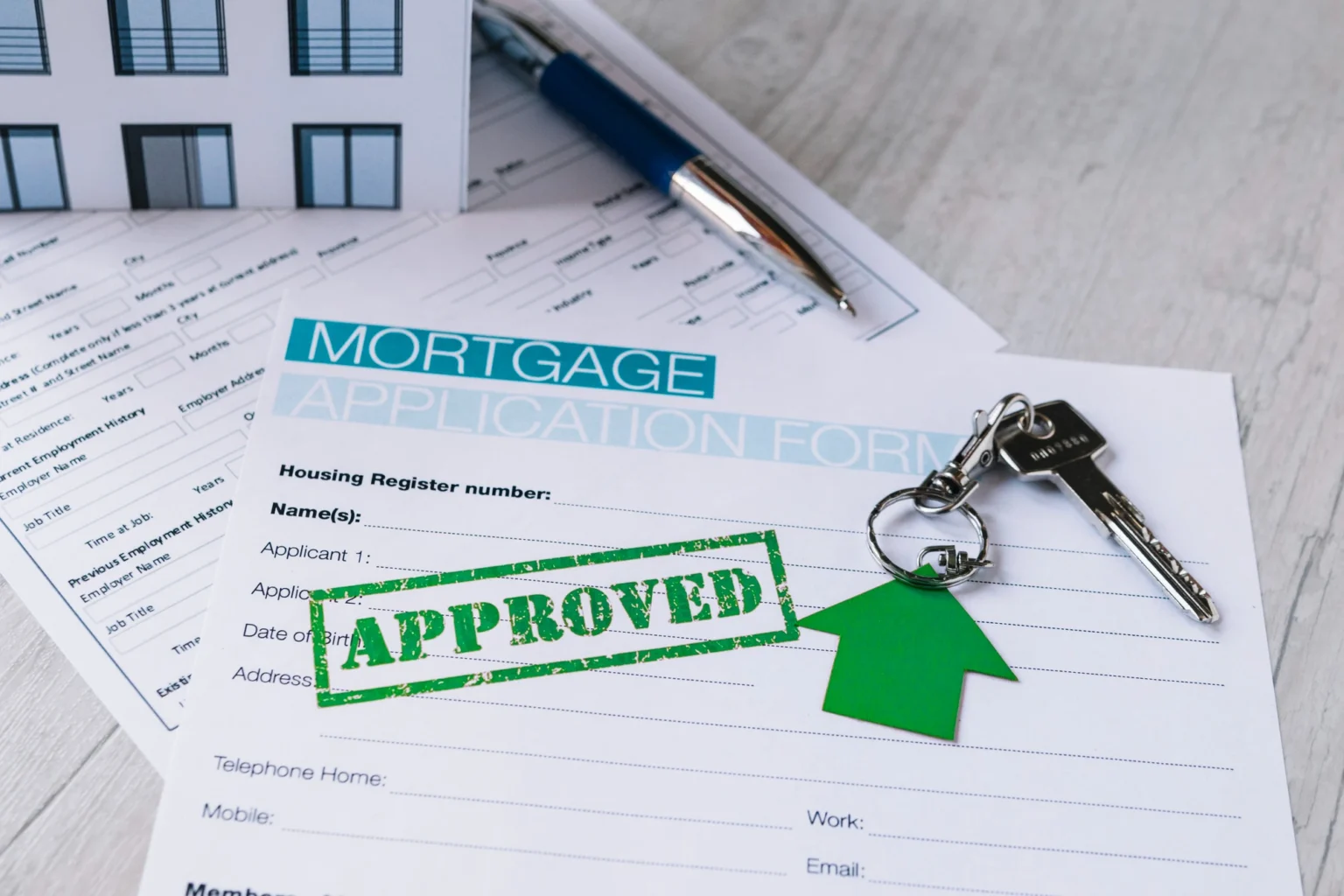
What a Reverse Mortgage Actually Means (Without the Bank-Speak)
A reverse mortgage is not free money. It’s also not a scam, despite what a few internet threads might tell you. It’s a loan, but flipped in a way that feels unusual if you’ve only ever dealt with traditional mortgages.
You borrow against the value of your home
You don’t have to make regular repayments
The loan plus interest gets repaid later, usually when you sell the house or your estate does
Sounds simple, right? The reality is a bit more layered. Because you’re not making repayments, the interest doesn’t sit quietly in the background. It compounds, which means the balance grows month after month. Over five years, it looks one way. Over twenty years, it’s a very different story.
That’s why anyone considering it has to think not just about the today money, but also the tomorrow impact.
Who’s Even Allowed to Apply?
Eligibility rules are pretty straightforward in Australia.
Age matters: At least 60 years old, or 55 if applying jointly. The older you are, the higher the percentage of your home value you can borrow
Home type: It must be your primary residence. Investment properties and holiday homes count, but lenders are stingier with how much equity you can tap
Location and value: City homes in stable markets usually unlock more than rural properties
As a quick benchmark:
At 55 to 60, you might access 15 to 20 percent of your home’s value
Each year older than 60 usually adds around 1 percent more
So, a 70-year-old with a $700,000 home might access closer to 30 percent, whereas a 60-year-old might be capped nearer to $140,000.
Why Do People Choose It?
This is where the human side kicks in. People don’t apply for reverse mortgages because they’re bored, they do it because of life pressure.
Jean, 72: Her pension barely covers groceries and utilities. She needed a reliable monthly supplement, so she structured her reverse mortgage as regular top-ups
Ron and Margaret, both 68: Their roof needed replacing. A lump sum loan paid for the renovation without eating into their savings
Aisha, 61: She wanted to help her daughter with a deposit on her first home. Instead of selling her own, she took a modest reverse mortgage lump sum
Common uses include:
✔ Paying off old debts
✔ Covering healthcare or in-home support
✔ Renovating or future-proofing a property
✔ Topping up retirement income
✔ Keeping dignity intact by not having to ask family for help
The Genuine Benefits
Let’s be real: there’s a reason reverse mortgages appeal to thousands of retirees.
You stay put. This is your home, your memories, no downsizing required
Cash flow relief. No monthly repayments eating at your pension
Flexible payout options. Lump sum, line of credit, income stream, or a mix
Choice to repay. You’re not locked out of making voluntary repayments
Equity protection. Some lenders guarantee you’ll never owe more than your home’s eventual sale price
Done right, it’s a bridge to a more comfortable retirement without uprooting your life.
The Serious Downsides
But let’s not dress it up. There are risks.
Interest rates are higher than standard loans
Compounding is relentless. What looks small today grows heavy tomorrow
Inheritance shrinks. The more you borrow, the less your kids or grandkids inherit
Variable rates bite. If interest rates rise, so does your debt speed
Fees lurk. Setup, valuations, redraws, they add up
Imagine this: if you borrow $100,000 at 7 percent interest, in 10 years you could owe over $200,000, and you haven’t touched a cent more. That’s the power of compounding, and it’s not always kind.
The Questions You Have to Ask
Before signing, here’s what every smart retiree asks themselves or their broker.
Would selling and downsizing actually give me a better outcome
How will this affect my Centrelink pension or benefits
If I borrow now, will I still have enough equity later for aged care
How does my family feel about this decision
What protections exist if property prices fall
If you can’t answer these confidently, you’re not ready to apply.
The Application Process, Step by Step
Initial enquiry
You speak to a lender or broker, share your age, home details, and rough goals. They’ll estimate how much you could borrowPaperwork prep
Bring ID, bank statements, loan documents, council rates, and your insurance policyProperty valuation
A professional valuation confirms your home’s worthLoan projection
The lender shows you how the loan will grow over time, usually with scary but helpful chartsIndependent advice
In many cases, you’ll need legal or financial advice sign-off before proceedingApplication lodged
If all checks out, the loan is approved and funds are released in the format you chose, lump sum, income stream, etc.Life after approval
You live in your home, maintain it, and notify the lender of any major changes. No repayments unless you choose to make them
Why Family Conversations Matter
One of the most overlooked parts of reverse mortgages is family dynamics.
If you don’t talk it through, surprises later can sting. Your children might expect a certain inheritance. They may even want to help financially but never got the chance because you didn’t bring it up. Being open about the decision makes the transition smoother and sometimes brings unexpected support.
Preparing for Your Broker Meeting
Don’t walk in blind. Here’s a quick checklist.
Bring a trusted support person
Photo ID
Bank and credit card statements
Rates notice
Current home insurance policy
That way, the meeting isn’t wasted and you walk out with real numbers, not hypotheticals.
The Bottom Line
Reverse mortgages aren’t for everyone. For some, they’re a lifeline that makes retirement dignified. For others, they erode too much equity and cause family headaches later.
The golden rule: don’t treat it as free money. Treat it as a financial tool. Use it deliberately, sparingly, and with your eyes wide open.
And above all, get advice. Speak to a broker who specialises in this space, involve your family, and make the decision from a place of clarity, not panic.
Your home is more than an asset. It’s your history, your safety net, and, in many ways, your legacy. If you’re going to use it to fund your future, make sure the choice is as informed as the life you’ve already lived to build it.
Post Tags :
Share :